
Soft Neck Brace Guide: Uses, Limits & Safety
Quick answer: A soft neck brace is a padded foam collar that can provide limited support and a reminder to slow certain neck movements. It does not immobilize the cervical spine or treat the underlying cause of most neck pain. Some clinicians recommend short-term use for selected symptoms, but routine collar use for ordinary neck pain or whiplash is generally discouraged. A suspected fracture or serious injury requires assessment, not a retail brace.
This guide helps you decide what questions to ask about a soft collar. It is deliberately not a recommendation to buy one. “Soft neck brace” and “soft cervical collar” usually refer to the same category of device. What matters is the goal: temporary comfort, a clinician-directed restriction, or protection of an injury. Those goals call for different responses.
What is a soft neck brace?
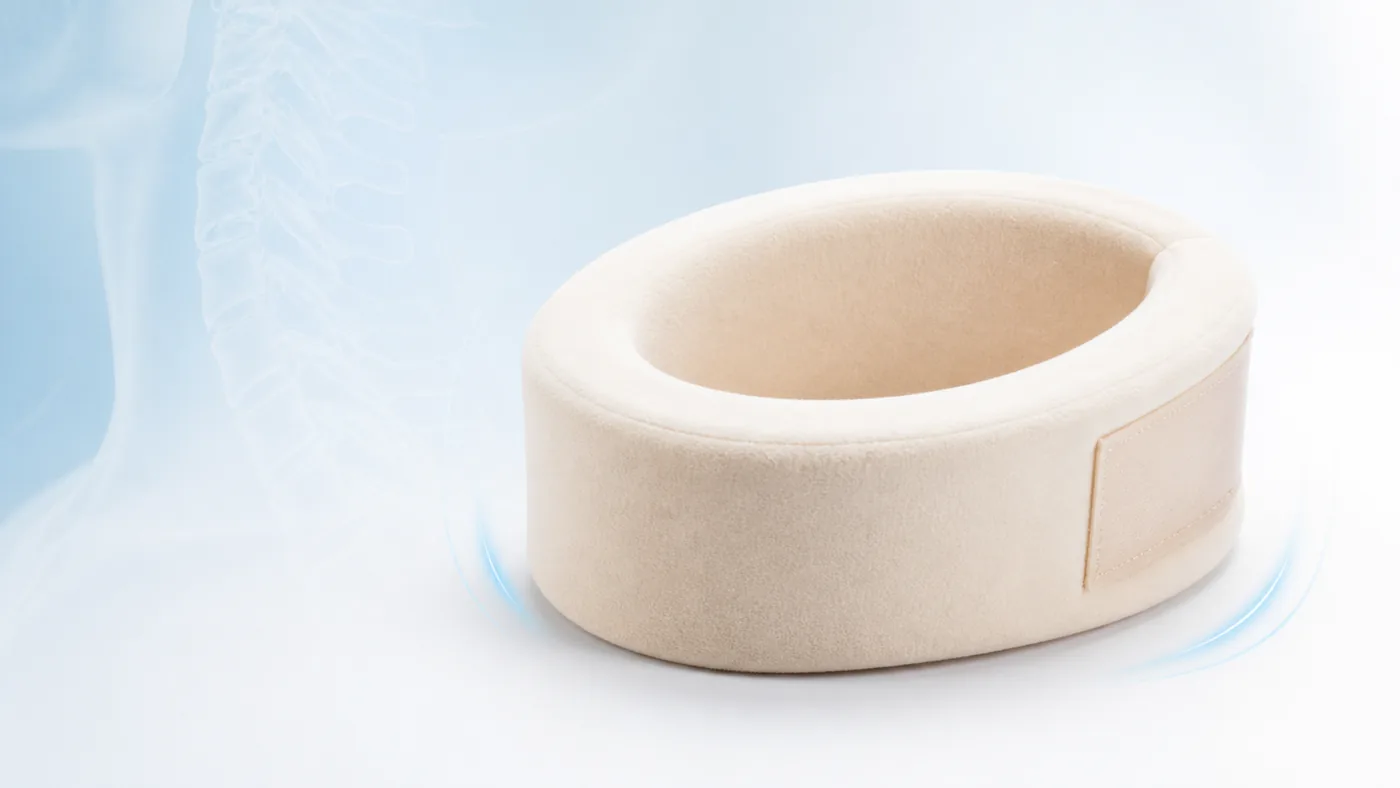
Most are a band of compressible foam covered in fabric, fastened behind or beside the neck. The collar rests under the jaw and around the neck. It may limit the range of a movement somewhat and remind you not to turn abruptly, but the foam flexes. That is why it cannot replace a fitted rigid collar prescribed for a cervical injury. Our basic soft-brace explainer covers the construction and terminology.
| Question | Practical answer |
|---|---|
| Does it hold the neck completely still? | No. The foam permits movement. |
| Can it cure neck pain? | No. It may alter symptoms temporarily but does not identify the cause. |
| Is it the same as a hard collar? | No. A rigid collar is a different treatment device. |
| Should everyone with whiplash wear one? | No. Current NHS advice discourages routine collars for whiplash. |
When might a clinician suggest one?
A healthcare professional may occasionally recommend a soft collar to reduce discomfort for a short period, including selected cases of nerve-root irritation with neck and arm symptoms. Cleveland Clinic and Mayo Clinic describe a limited short-term role in some cervical radiculopathy cases. The decision should follow an examination, especially when symptoms travel into an arm or involve numbness or weakness.
An individual wear plan should state when to use the collar, when to remove it, how to keep moving safely, and when to reassess. If you cannot identify the purpose and endpoint, ask before starting. The soft neck brace benefits article distinguishes plausible short-term comfort from claims a collar cannot support.
When is it usually the wrong tool?
For ordinary nonspecific neck pain, the NHS advises keeping the neck moving and avoiding a collar unless a doctor says otherwise. Many people recover with time, appropriate activity, and symptom relief. A collar can create an impression that movement itself is unsafe when gentle movement may be part of recovery.
For routine whiplash recovery, NHS guidance says a neck brace or collar does not help. This does not mean all injuries after a collision are minor. Severe pain, neurological symptoms, or a substantial mechanism of injury should be assessed promptly. Once a serious injury is excluded, an individualized recovery plan is usually more useful than prolonged immobilization. Read the soft-brace-for-whiplash guide for that distinction.
Never use a soft collar as a substitute for emergency care after a significant fall, crash, or other trauma. A retail collar cannot stabilize a fracture. If a clinician has prescribed a hard collar, do not downgrade it to foam because it feels more comfortable; see the soft-versus-hard comparison.
Fit: comfortable support without squeezing
The collar should be the correct height and circumference for your neck. A band that is too tall can push the chin up; one that is too low may offer little contact. Excessive tightness can cause pressure, rubbing, or difficulty swallowing. Very loose foam can shift and chafe. Ask a clinician or orthotist to check fit if you were specifically directed to use one.
Follow the fitting instructions for the exact product. Our wearing guide shows the usual components, but it is not a substitute for a prescription. Check skin under and around the collar, especially when it is warm or worn for more than a brief period. Persistent redness, blisters, skin breaks, or increasing pain call for stopping optional use and contacting a healthcare professional.
How long should you wear it?
There is no universal daily schedule. Duration depends on why it was recommended and on how symptoms respond. Mayo Clinic cautions that long uninterrupted sessions or extended use can worsen symptoms, while MedlinePlus notes that prolonged collar wear can weaken neck muscles. This is why “wear it until the pain is gone” is not a sound plan.
If your clinician recommends a soft collar, ask for a clear stopping or review point and what movement or exercise is safe between sessions. Avoid converting a brief trial into a habit. The wear-duration article goes through the questions to bring to your appointment.
Sleeping, driving, and everyday activities
Do not assume that a collar worn during the day belongs in bed. Overnight use can increase skin contact and affect comfort, breathing, or swallowing. Follow the specific instruction of the clinician who recommended it. Our soft-brace sleep article addresses common misconceptions.
Do not drive or cycle if the collar, pain, or medicine prevents you from turning your head and checking traffic safely. Avoid activities that require rapid neck movement until you know whether they are safe for your condition. A collar should not be treated as permission to return to risky activity.
Cleaning and replacement
Foam and fabric collect sweat. Follow the maker’s cleaning directions; some collars have removable covers, while others require gentle hand cleaning. Dry completely before wearing again. Heat can damage foam or closures. Inspect for collapsed foam, frayed fabric, or fastening that no longer holds reliably. The cleaning guide and replacement guide cover practical checks.
What to try besides a collar
For uncomplicated neck soreness, options may include gentle movement, heat or cold, and suitable over-the-counter pain medicine after checking your own health risks. Physical therapy can help with persistent pain and function. If prolonged screen work is a trigger, adjust the screen and take movement breaks. These actions address activity and capacity more directly than a passive support. The soft-brace-for-neck-pain article places the device in this wider plan.
Symptoms that change the decision
Seek urgent medical help for severe neck pain after major trauma, new arm or leg weakness, trouble walking, loss of bladder or bowel control, or fever with a severe headache and stiff neck. Breathing or swallowing difficulty needs prompt assessment. Persistent pain, radiating arm symptoms, or numbness also warrants evaluation rather than a stronger collar.
Bottom line
A soft neck brace can be a limited comfort tool in selected circumstances, not a universal neck treatment. Know why you are using it, how it fits, when to stop, and what symptoms require medical help. If a brace has not been recommended, start with the cause of your pain instead of a product category.
General education only. This article is not medical advice for an individual injury or condition.
Sources
Related posts


NEW POSTS

November 1, 2026
CTO Brace: How It Differs From a Cervical Collar
October 31, 2026
Medicare Neck Brace Coverage: What to Check

October 31, 2026
Can You Work With a Cervical Collar?

October 30, 2026