How to Wear a Soft Neck Brace Correctly
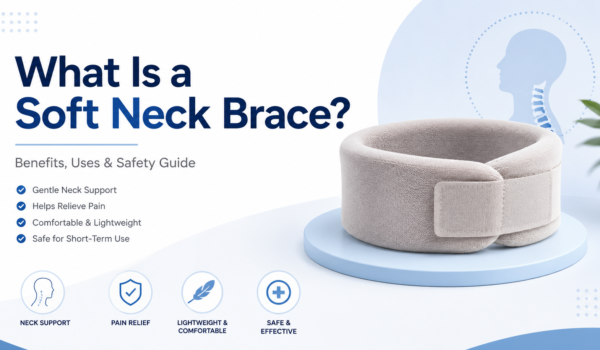
- Knowing how to wear a soft neck brace correctly matters as much as choosing the right device. A collar that is too loose may slide around without providing useful support. One that is too tight or too tall can create pressure, irritate the skin, push the jaw upward, or make swallowing uncomfortable.A soft collar should normally sit beneath the chin, wrap evenly around the neck, and feel snug without restricting breathing or swallowing. However, the exact fit and wearing schedule depend on why it was recommended. If a clinician fitted your collar or gave you specific instructions, those directions take priority over general guidance.
Before You Put On the Collar
First, confirm that a soft collar is appropriate for your situation. A foam collar offers light support and a reminder to limit painful movement, but it does not reliably immobilize the cervical spine. It should not be used as a substitute for urgent assessment after a serious fall, collision, sports injury, or other trauma.
If you are new to the device, read our overview of what a soft neck brace is before fitting it.
Check the collar for:
- a central contour designed to sit beneath the chin;
- clean, dry fabric and foam;
- working hook-and-loop fasteners;
- no cracks, compressed areas, sharp edges, or twisted seams; and
- the correct size or height for your neck.
Remove bulky necklaces, high collars, and anything else that could become trapped under the brace. Unless your clinician has told you otherwise, the collar is generally worn directly against clean, dry skin rather than over thick clothing.
Step-by-Step: How to Put On a Soft Neck Brace
1. Start in a neutral position
Sit or stand upright and look straight ahead. Keep the ears roughly above the shoulders and avoid forcing the head backward. A mirror can help, especially during the first few fittings.
2. Find the chin contour
Most soft collars have a shallow dip or shaped section along the upper edge. Center this contour beneath the chin. The front of the collar should support the underside of the jaw without pressing into the throat.
3. Wrap the collar evenly
Bring both ends around the sides of the neck. Keep the lower edge level rather than allowing one side to ride higher. The foam should make consistent contact without folding or bunching.
4. Fasten it at the back or side
Secure the hook-and-loop closure according to the product design. Tighten it until the collar is snug and stable, not constricting. Do not pull the closure as tight as possible.
5. Recheck your head position
Your chin should remain approximately level with the floor. If the brace pushes the head backward or forces the chin upward, it may be too tall or positioned incorrectly. If the chin drops inside the collar, it may be too loose, too short, or the wrong shape.
How Tight Should a Soft Neck Brace Be?
The aim is secure contact, not compression. The collar should not rotate freely or fall away from the neck, yet you should be able to breathe and swallow normally. Product designs vary, so a simple “finger rule” is not a universal medical standard.
Use functional signs instead:
Fit check Appropriate sign Warning sign Chin position Chin rests in the center contour Chin slips inside or is pushed upward Breathing Normal and unrestricted Tightness, shortness of breath, or throat pressure Swallowing Comfortable Painful or difficult swallowing Skin Light, temporary marks may fade quickly Persistent redness, blistering, broken skin, or burning Stability Collar remains centered Collar rotates, rides up, or repeatedly opens Pressure should be spread across a broad area. Concentrated pressure at the jaw, collarbone, or back of the neck suggests that the size, height, or placement needs attention.
Common Fit Problems
The collar pushes your chin upward
The collar may be too tall, too tight, or positioned too far forward. Do not cut down the foam or modify the shape yourself. Ask the supplier or clinician to reassess the size.
Your chin slips into the collar
This usually means the collar is too loose, too low, or too short. Recenter the chin and refasten it. If the problem continues, the collar may not fit your anatomy.
The brace moves when you turn
A soft collar will not stop normal neck motion, but it should not spin independently around the neck. Check that the closure is engaged evenly and that the foam has not lost its shape.
You develop red or sore skin
Remove the collar as permitted by your care plan and inspect the area. Persistent redness, blistering, broken skin, swelling, or increasing pain needs professional advice. Moisture, wrinkles, dirt, excessive tension, and poor sizing can all contribute.
Wearing the Collar During Daily Activities
A soft collar changes how freely you can turn your head. Avoid driving while it prevents safe mirror and blind-spot checks. Be cautious on stairs, around traffic, and during tasks that require a wide field of view.
Do not assume the brace makes lifting, exercise, or manual work safe. It is a comfort device, not protective equipment. Follow the activity restrictions given for your diagnosis.
Unless instructed otherwise, avoid wearing the collar longer simply because it feels supportive. Prolonged use can encourage stiffness and reduce normal muscle activity. Our guide to how long to wear a soft neck brace explains why duration must be individualized.
Sleeping requires separate consideration because position, breathing, and the reason for wearing the device all matter. See can you sleep with a soft neck brace?
Skin Care and Daily Checks
Check the skin at least daily and more often if you sweat heavily, have fragile skin, reduced sensation, diabetes, or circulation problems. Keep both the neck and collar dry. A damp foam collar can increase friction and skin irritation.
Look for:
- redness that does not fade after pressure is relieved;
- tenderness, itching, burning, or numbness;
- swelling or skin breakdown;
- a rash beneath the fabric; and
- changes in breathing or swallowing.
Clean the device according to its label. Many soft collars require gentle hand washing and air drying, but manufacturer instructions vary. Never wear it while the foam is still wet.
When to Stop and Get Help
Seek prompt medical advice if wearing the collar causes increasing pain, new numbness, weakness, dizziness, severe headache, balance problems, trouble breathing, or difficulty swallowing. After trauma, urgent assessment is especially important if you have severe neck pain, weakness, altered sensation, loss of coordination, or bladder or bowel changes.
A soft collar can mask discomfort without treating its cause. Feeling temporarily better does not prove that an injury is minor.
Frequently Asked Questions
Should a soft neck brace touch the chin?
Yes. The shaped upper edge should support the underside of the chin while the head remains neutral. It should not dig into the throat or force the jaw upward.
Can I loosen the collar if it hurts?
You can recheck its position and closure, but persistent pain or pressure indicates a fit problem that should be assessed. Do not alter or cut the collar yourself.
Can I wear a soft collar over clothing?
Thick clothing can create folds and change the fit. Unless the product or clinician says otherwise, soft collars are commonly worn against clean, dry skin.
How do I know if I bought the wrong size?
Warning signs include the chin slipping inside, the head being pushed backward, repeated rotation, concentrated pressure, and difficulty fastening the collar without constriction.
The Bottom Line
To wear a soft neck brace correctly, center the chin in the contour, keep the head neutral, wrap the collar evenly, and fasten it snugly without restricting breathing or swallowing. Recheck the skin and fit regularly. A soft collar should feel supportive, not forceful, and it should be used only for the reason and duration recommended.
References