

Neck Pain Relief at Home: Safe First Steps
For mild neck pain that did not follow an accident and has no warning signs, the most useful home approach is usually simple: keep moving within a comfortable range, use heat or cold if it feels helpful, adjust the activity that provokes pain, and get enough sleep. A short period of relative rest may help, but staying in bed or keeping the neck still for days can make stiffness worse.
Home care is not a diagnosis. Pain after a crash or fall, progressive weakness or numbness, fever with a severe headache and stiff neck, trouble walking, or loss of bladder or bowel control needs medical attention—not a different pillow or another pack of ice.
First, Make Sure Home Care Is Appropriate
This guide is for an uncomplicated sore neck, such as a mild strain after desk work or waking stiff. If the pain followed a significant injury, seek appropriate assessment rather than trying home care first. If you have a prescribed collar after trauma or surgery, your team’s instructions override general home-care advice.
Ask for urgent medical help when symptoms suggest a nerve, spinal cord, infection, or other serious problem. MedlinePlus neck-pain guidance lists new limb weakness, difficulty walking, bowel or bladder changes, and fever with a severe headache and marked neck stiffness among reasons to seek care. Severe pain or pain that worsens while lying down or repeatedly wakes you at night also needs evaluation.
Step 1: Keep Up Gentle, Ordinary Movement
The neck is meant to move. Try comfortable head turns during ordinary activities, short walks, and changes of position through the day. Avoid forcing a painful stretch or repeatedly testing the maximum range. Temporarily reduce a task that clearly aggravates symptoms, then return to it as tolerated. MedlinePlus self-care advice recommends staying as active as possible without making pain worse rather than prolonged bed rest.
This is not a call to exercise through a fresh injury. If pain began after a fall, crash, or blow, get the injury assessed first. If movement produces dizziness, electric-shock sensations, increasing arm symptoms, or sharp worsening pain, stop and seek advice. A physical therapist can teach an individualized movement and strengthening plan when symptoms persist.
Step 2: Use Heat or Cold Without Burning Your Skin
A warm shower, wrapped heat pack, or wrapped cold pack can make a sore neck easier to move. Some people prefer cold soon after a strain and warmth later; others respond best to warmth from the start. Neither is a cure, and you need not force an uncomfortable temperature. Follow the product’s instructions, protect the skin with a cloth, and stop if it irritates you.
Never fall asleep with a heating pad or ice bag against your neck. MedlinePlus specifically warns against sleeping with either because of skin injury risk. People with reduced sensation, fragile skin, or circulation problems should ask a clinician before using temperature therapy.
Step 3: Check Your Work and Sleep Setup
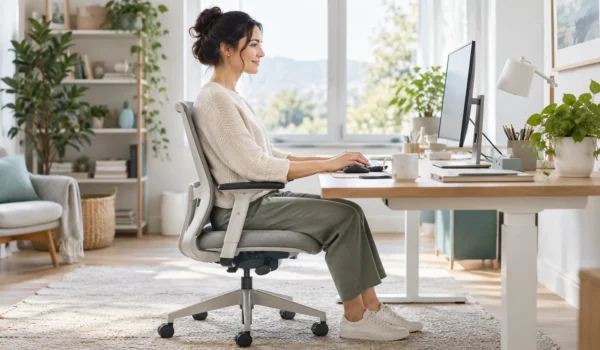
If symptoms build during computer use, place the primary screen in front of you, make the text easy to read, relax your shoulders, and take movement breaks. It is more useful to vary positions than to hold a rigid “perfect posture.” OSHA’s workstation guidance offers a practical screen and chair checklist.
At night, use a pillow that keeps your head roughly aligned with your body. Side sleepers need enough height to fill the ear-to-mattress gap; back sleepers usually need support without having the chin pushed toward the chest. If you wake stiff, test one pillow adjustment at a time for several nights. Do not assume every night-time pain is caused by bedding, however; pain that worsens while lying down or repeatedly wakes you merits medical advice.
Step 4: Consider Pain Medicine Carefully
An over-the-counter pain reliever may make daily activity more tolerable, but the right choice depends on your health and other medicines. Follow the Drug Facts label; do not combine products casually or exceed the listed dose. NSAIDs such as ibuprofen or naproxen can be risky for some people with stomach bleeding, kidney disease, blood-thinner use, or pregnancy. The FDA’s OTC pain-reliever guidance explains why label directions and medical history matter. Ask a pharmacist or clinician if you are unsure.
Medication should support a gradual return to activity, not mask symptoms so you can do something unsafe. A person who cannot turn the head sufficiently to check traffic should not drive until they can do so safely, regardless of whether a tablet has reduced pain.
Are Massage, Stretches, or a Neck Brace Needed?
Gentle self-massage around tense shoulder muscles may feel good, but avoid aggressive pressure over the front or side of the neck. Forceful stretching, self-manipulation, or “cracking” the neck is not necessary for ordinary soreness and may be especially unsafe after injury. If a particular movement is painful or causes arm symptoms, do not push through it.
A soft collar can briefly reduce the sensation of strain, but it does not treat the underlying cause or provide rigid stabilization. For ordinary neck pain, routine collar use is generally discouraged in favor of movement unless a clinician gives a specific reason. The NHS neck-pain page advises against self-prescribing a collar. Our soft neck brace for neck pain guide explains when temporary support might be considered and what it cannot do; review the possible side effects before using one repeatedly.
A Simple 48-Hour Home-Care Plan
| Time | Practical action |
|---|---|
| Today | Check for warning signs. Continue light daily activity and try a comfortable heat or cold pack. |
| Tonight | Set up a supportive pillow; do not sleep with a heating pad or ice pack. |
| Tomorrow | Notice which tasks worsen symptoms and shorten or modify them. Keep taking movement breaks. |
| After 48 hours | Look for a trend: easier movement, less pain, better sleep. If worsening or new symptoms appear, seek care. |
This is a way to observe a mild episode, not a promise that pain should vanish in two days. If home care is not helping, you need a plan based on the actual cause rather than more of the same remedies.
When to See a Clinician
Make an appointment if pain does not begin to improve, keeps returning, limits sleep or work, or spreads into an arm. Seek prompt care for numbness, tingling, or weakness, especially if progressive. Seek emergency care for major trauma, new difficulty walking, bowel or bladder changes, or fever with severe headache and marked neck stiffness. MedlinePlus provides a fuller list of warning symptoms.
A clinician may ask about your work, sleep, recent injury, symptoms in the arms, and medical history. Imaging is not automatically needed for uncomplicated neck pain. The American College of Radiology notes that acute neck pain without trauma or red flags often does not require immediate imaging; the decision changes when the history or examination raises concern.
Frequently Asked Questions
Is heat better than ice for a stiff neck?
Both can provide symptom relief. Choose the one that feels comfortable, protect your skin, and avoid sleeping with either in place. Neither replaces assessment for warning signs.
Should I rest all day?
Usually not for uncomplicated neck pain. Ease back from the most painful tasks, but continue tolerable movement and routine activity rather than prolonged bed rest.
How long should I try home care?
Watch the trend rather than a rigid countdown. Worsening symptoms, new arm symptoms, or severe sleep disruption call for earlier review; persistent pain despite self-care also warrants an appointment.
The Bottom Line
Safe neck-pain relief at home is modest and practical: gentle movement, comfortable temperature therapy, task and sleep adjustments, and cautious medication use when appropriate. Do not use a brace or home remedy to ignore a worsening, traumatic, neurologic, or systemic symptom.
Sources
Related posts



NEW POSTS

November 1, 2026
CTO Brace: How It Differs From a Cervical Collar
October 31, 2026
Medicare Neck Brace Coverage: What to Check

October 31, 2026
Can You Work With a Cervical Collar?

October 30, 2026